
Boiler Basics
Boilers are the force behind many industries. The concept of a boiler is simple; it is a closed vessel used to heat water and generate steam. The steam is then used to heat buildings, generate power, or for other industrial uses. Over the years, this concept has been engineered into the closed-loop systems we know today. These more complex systems require maintenance and water testing to maintain efficiency and operate safely.
Types of Boilers
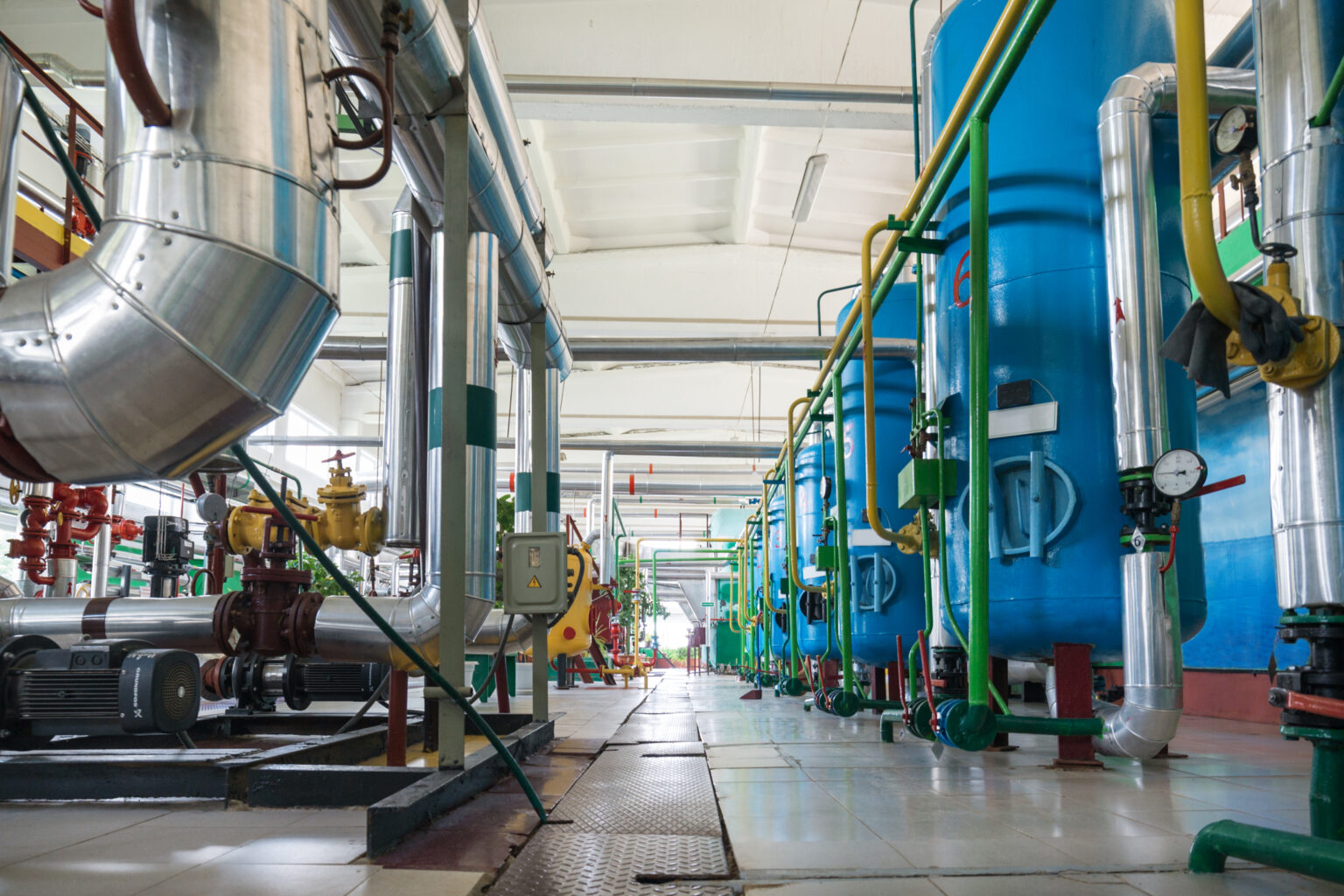
There are different types of boilers for most applications. Boiler type changes based on fuel, construction, and application. Listing all the different types and configurations would require its own blog post. For this article, we will be focusing on steam boilers. Here are a few broad categories that steam boilers can be sorted into.
Low Pressure vs. High Pressure Boilers
Low Pressure Boilers
Lower pressure steam boilers operate at <15 pounds per square inch gauge (PSIG) and are commonly used for heating systems in commercial buildings and light industrial work.
High Pressure Boilers
Operate at >15 PSIG and are used for heavy industrial work or power generation. These boilers operate at higher pressure and require licensed professionals for operation.
Fire-Tube Boilers vs. Water-Tube Boilers
Fire-Tube Boilers
Fire-tube boilers pass hot gas through tubes surrounded by water to heat water. They are usually low-pressure boilers, are more compact, and run best in consistent applications.
Water-Tube Boilers
Water-Tube Boilers have water inside of tubes that are surrounded by gas. These are best for high-pressure and high-temperature applications like power generation or industrial work.
Water in Boilers
Regardless of style or type, steam boilers require water to operate. The water that is supplied to a boiler for operation is called feedwater. The water that comes from a natural or municipal source before it is treated and becomes feedwater is called raw water. Feed water that is cycled through a steam boiler can be captured and returned to the system through condensation. This water is referred to as condensate.
Feedwater For Steam Boilers
Controlling the quality of feedwater is critical for the successful operation of a modern boiler system. Due to the high pressure and temperatures within a boiler, feedwater needs to be meticulously treated and controlled to prevent scale formation and corrosion within the system. Feedwater starts from its source as raw water and goes through a process called pretreatment. Once it is treated through various filters and/or chemicals and treated to the correct quality, it is fed into boiler.
Raw Water Sources
The raw water source for a boiler system determines the pretreatment required to make feedwater. Depending on the chemistry of the raw water, different levels of dealkalization, deaeration, deionization, filtration, and softening may be required. The raw water chemistry can also change with the season making frequent testing a requirement.
Condensate From a Boiler
Capturing and reintroducing the condensate back into the system is one way steam boilers keep efficiency high and costs low. Condensate is created by having the waste steam come into contact with cooled tubes inside a condenser. It is then collected in a basin and recirculated through the system. Condensate is typically mildly acidic but can vary for each system.
Consequences of Poor Water Treatment
Failing to control the water chemistry in a steam boiler could lead to critical failure, excess maintenance, or loss of efficiency. Below are a few of the conditions that could be caused by poor water chemistry.
Oxygen Pitting/Corrosion
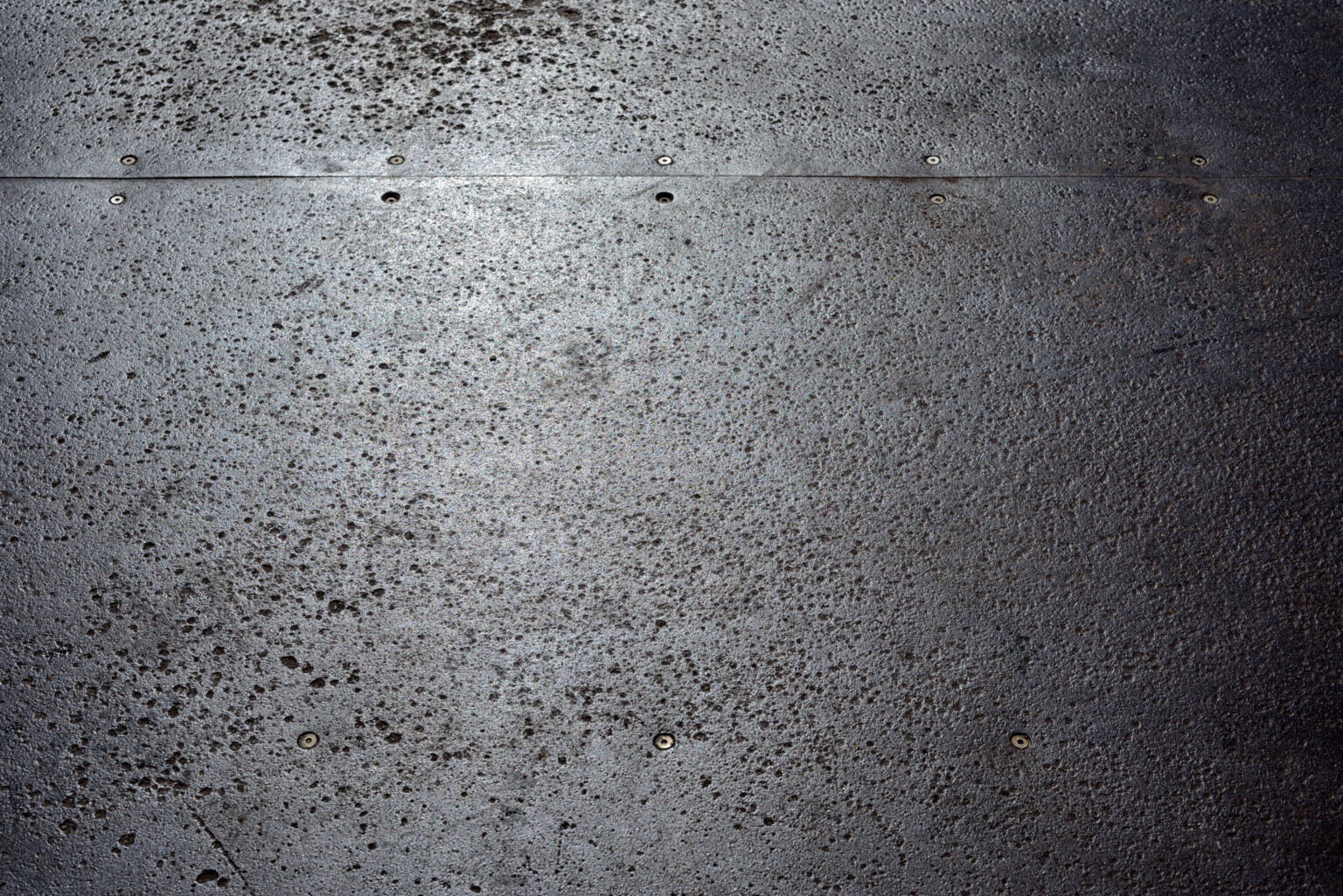
The high pressure and temperature inside a boiler increase how corrosive dissolved oxygen in the water is to the metal components. Corrosion caused by dissolved oxygen often looks like little pits. These pits get progressively deeper and can lead to pinholes.
Scaling in Boilers
Scaling is caused by minerals like silica, sodium, magnesium, and calcium. If not removed from the feedwater, these minerals build up a scale and interfere with the heat transfer in the system, which lowers efficiency.
Biofilms in Boilers
Biofilms are caused by organic matter entering the system. These can be incredibly complex mini ecosystems that cause their own unique problems for the system. Some biofilms may create pockets of corrosion, interfere with chemical treatment, or cause other problems.
Water Testing for Steam Boilers
To prevent these problems from plaguing your system, a comprehensive water testing program is required. Here are some basic analytes recommended for a water testing program and how CHEMetrics can help.
Testing for pH in Steam Boilers
Raw water – Measuring the pH of your raw water will help establish what pretreatment is required.
Feedwater – Knowing the pH within your boiler will allow you to adjust chemical treatments to stay within an optimal pH range to prevent corrosion.
Condensate – Measuring pH of condensate prevents corrosion and can help identify problems within the system.
CHEMetrics offers a portable Oakton Instruments pH Meter for quick and convenient analysis
Testing for Dissolved Oxygen in Steam Boilers
Feedwater – Even low concentrations of dissolved oxygen (DO) can cause pitting. Measuring DO can prevent pitting which can lead to system failure if not caught and treated within time.
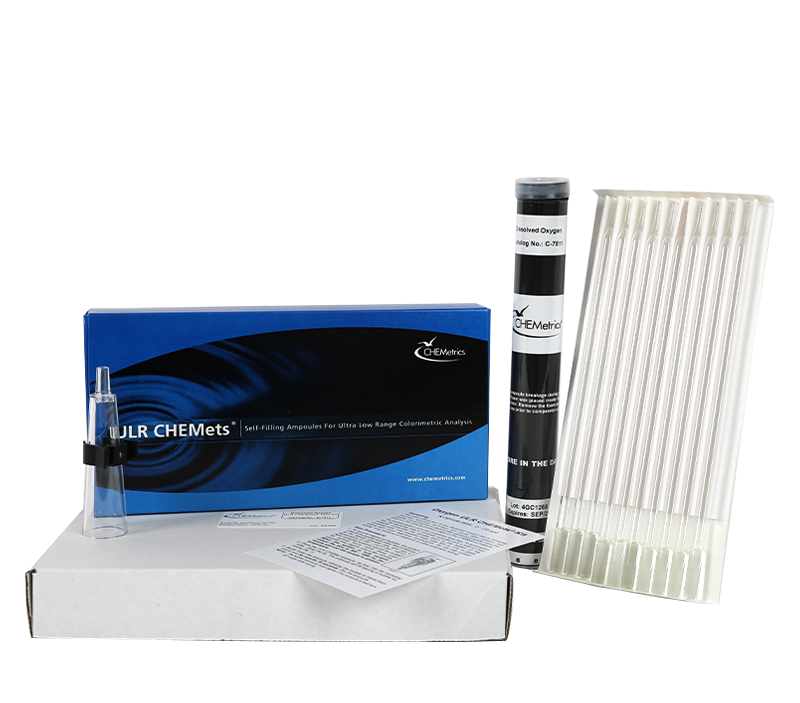
CHEMetrics is a premiere manufacturer of dissolved oxygen test kits. We offer multiple dissolved oxygen test kits including K-7511 which can read down to 2 parts per billion DO with a simple visual test.
Testing for Silica in High-Pressure Boilers
Monitoring silica is particularly important for applications with steam turbines. Silica becomes volatile in steam and can deposit on the turbine blades. The deposits create rough surfaces on the blades that cause lower efficiency and even vibration problems.
CHEMetrics silica test kits come in three test ranges with the lowest testing down to 0.02 ppm. Like all CHEMetrics test kits, they utilize vacuum sealed glass ampoules that provide results in minutes.
Testing for Iron in Boilers
Testing Iron in feedwater and condensate can help track corrosion. As the metal corrodes, iron particles increase in concentration in the water and can create deposits elsewhere. Testing for high concentrations of iron can catch corrosion early on.
CHEMetrics offers iron test kits for total and soluble iron as well as total and ferrous iron.
Oxygen Scavengers and Corrosion Inhibitors
Chemicals designed to remove dissolved oxygen and prevent corrosion are commonly added to boiler systems. These include, but are not limited to chemicals like Molybdate, DEHA, Carbohydrazide, and Hydrazine. CHEMetrics offers tests for these chemicals and many more, located on our
Conclusion
Boilers are intricate pieces of machinery that require expertise to function and maintain. To keep a steam boiler running at peak efficiency water, feedwater, and condensate must be managed. CHEMetrics test kits are fast and convenient ways to get immediate results for many necessary analytes for boiler operation. AquaPhoenix Scientific also offers many products required for testing and managing a water treatment program for steam boilers, like pumps, test kits, and chemicals. Contact us today to learn how we can keep your boiler optimized.